The Key to Better Patient Experiences? Survey Says…More Meaningful HIT Support
Shana Tachikawa
May 13, 2026


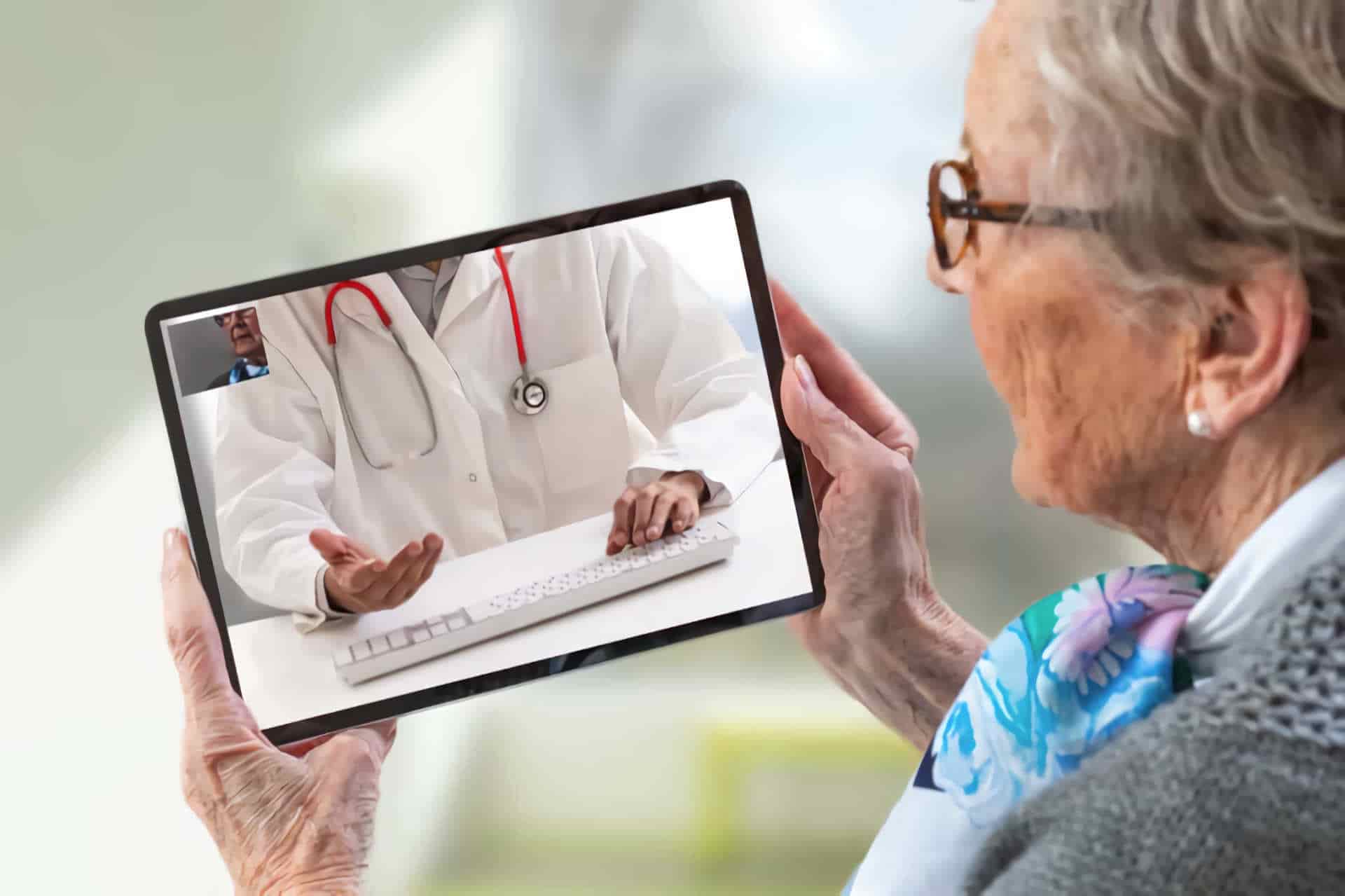
Patient engagement ranked among the top HIT industry focuses for the next year, according to the 12th annual HIT Industry Outlook Survey. Unfortunately, burnout is more than just a staffing challenge for hospitals and health systems. Provider and staff dissatisfaction also have a negative trickle-down effect on the patient experience. Therefore, as never before, hospital executives must look not only at how to ensure maximum efficiency from IT solutions amid booming digital advancement and remote access demand, but also how to ensure that IT support programs contribute to higher staff and clinician satisfaction rates that feed into a positive patient experience.
Foundation pillars for a more robust IT support program
Strengthening Healthcare IT support and patient engagement requires a clearer understanding of the challenges providers face today. Healthcare IT challenges continue to compound. Clinicians face ongoing frustration with EHR workflows and documentation burden, limiting time for patient interaction. Meanwhile, sustained industry uncertainty continues to pressure hospital operations and financial planning
Navigating the uncertainty becomes much easier when IT support helps alleviate providers’ challenges and EHR burden. Meaningful IT support consists of much more than a traditional help desk approach. Foundational differentiators include cross-trained analysts, clinically consultative analysts, and a high degree of flexibility. Here’s a look at the benefits of each HIT strategy:
- Cross-trained analyst support. IT analysts, who hold the EHR training, experience and certifications necessary to address interacting application and department workflows, can see the big-picture impact of their work and the trickle effect on patients. For example, in situations like hospital or physician practice acquisitions, the patient experience and transition walkthrough process can be lost in the shuffle—especially when moving not only to a new EHR version but an entirely different EHR vendor suite altogether. Cross-trained analysts understand the direct correlations between the two systems to handle migration and system sunsetting project needs, but also to be able to flex into patient-facing support to take on any onslaught of patient inquiries and technical education needs, while alleviating internal IT staff to focus on the go-live procedural tasks.
- Clinically consultative analysts. Clinically consultative analysts more easily understand, empathize, and level with clinicians to quickly resolve issues—a depth of trusted support that allows clinicians to return to direct patient care quickly. For example, one ICU nurse was frustrated because a Phillips monitor and the EHR system failed to communicate patient vitals properly throughout her entire night shift. That frustration disappeared with a call to a clinically consultative analyst, who the nurse said “… understood my issue immediately, validated that the issue could be resolved overnight and helped handle it for me promptly. I appreciate that she did not blow me off but cared enough to help me solve this promptly. I only interacted with her over the phone for less than 10 minutes, but I can tell she embodies our values and beliefs and truly is all about being a team player.”
In addition, allowing clinicians to schedule one-on-one provider sessions with a clinically consultative IT desk agent enables individual assistance with things like setting up preference lists, customization requests, or application knowledge transfer or re-training with personalized instruction sets. Clinicians can schedule such sessions at their convenience and address all their IT-related inquiries all at once. This efficiency maximizes time for patient care and eliminates the traditional help desk escalation run-around.
- High degree of flexibility. A help desk that offers flexible IT staffing based on current demand is another way to ease burden on hospital staff and provider workflows—and in turn, create better patient experiences. A flexible IT support program can quickly ramp up for mission-critical needs, such as remote access setup or assistance with telehealth and patient portal platforms.
For example, few health system providers or staff have the time to tell new patients how to access the patient portal—let alone actually walk them through portal setup. However, with a flexible IT support program, cross-trained agents can manage any incoming patient inquiries. Such agents can take the time to carefully walk patients through their portal setup, establish customizations, explain portal navigation, or prepare them for telehealth appointments and ensure virtual care integration with portal access. Likewise, a flexible IT support program can seamlessly ramp up additional patient-facing assistance as needed during EHR migrations or other transitions.
The ability to increase or decrease IT support staff levels in real-time as demands change—whether due to regional natural disasters, health system merger and acquisition opportunities, or any other situation—offers a cost-effective way to deliver optimal IT responsiveness for providers and an engaging experience for patients.
Having thorough, knowledgeable IT support at the ready can boost provider and patient satisfaction alike. Meaningful IT support that speeds call resolution and prevents the need for call-backs, hand-offs, and other commonly overlooked sources of end-user frustration can go a long way toward ensuring more content hospital staff—and fostering an engaging patient experience in the process.
As healthcare IT demands grow, support models must evolve alongside them. Contact MTS to explore how clinically informed, flexible IT support can reduce provider frustration and help strengthen patient engagement across your organization.